Last month, I listened as a friend stood up in a conference session on video-blogging and told the room that someone had once advised her to never put herself in front of the camera. “He told me,” she said, “that I have a ‘far-away’ face.” A face, that is, that is best viewed from a distance. A face that one’s mother could love, and maybe some others, but not everybody, and certainly not a camera.
Everyone in the room gasped, of course. Most, too, I suspect, cringed inwardly at some similar memory – a schoolmate teasing them about their hair, a friend commenting on their weight, a well-meaning relative remarking that ‘she’d be so pretty if it weren’t for her nose’ – some memory of some statement that maybe wasn’t meant to hurt, but did, because it aggravated all those insecurities, all those doubts, all those misgivings that we have about how we are seen. We were all, I am sure, thinking that the words that were spoken to Loralee were ridiculous and wrong. But we were – many of us, some of us, I am sure – also thinking that those words could have been spoken to us. It is easy to see the beauty in others. It is so hard to see it in ourselves.
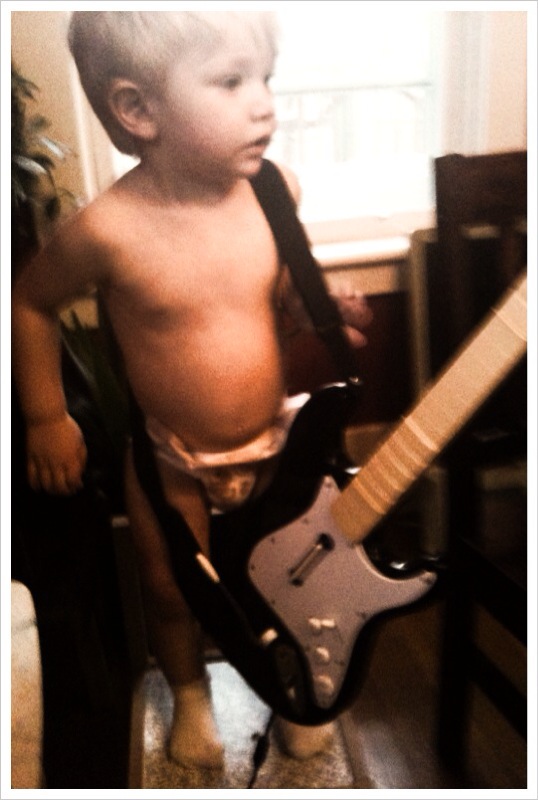
 Today, Tanner goes to the doctor. This is, in itself, nothing new – Tanner sees a lot of doctors – but today, he’s seeing the doctor so that they can start fumbling toward answers to difficult questions concerning when and how and how long. How long until his food needs to blended? Until he needs to be intubated? Until he can no longer sit up on his own? Until his lungs are compromised? Until he cannot breath on his own? Until my sister can no longer look after him on her own? Until, until…